The Tea-Urn Protocol: A Village Hall Bring-and-Buy for Unbuilt Kits
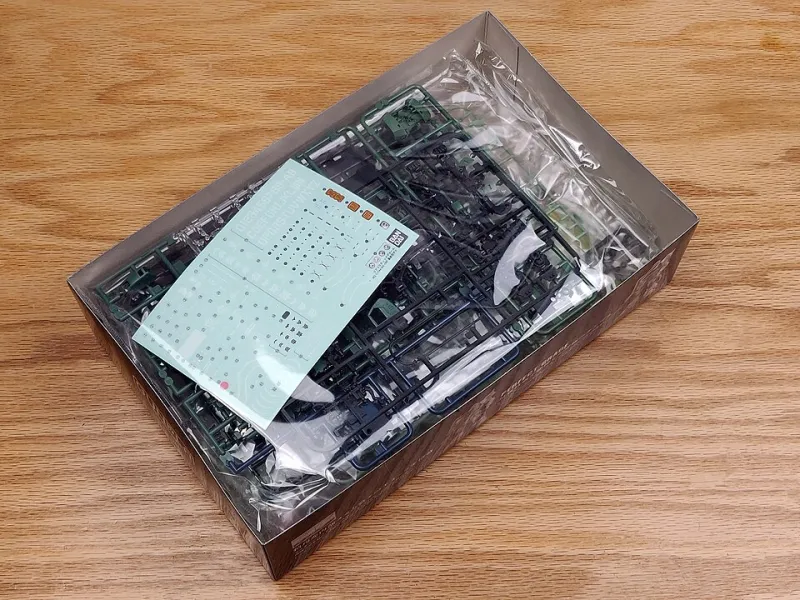
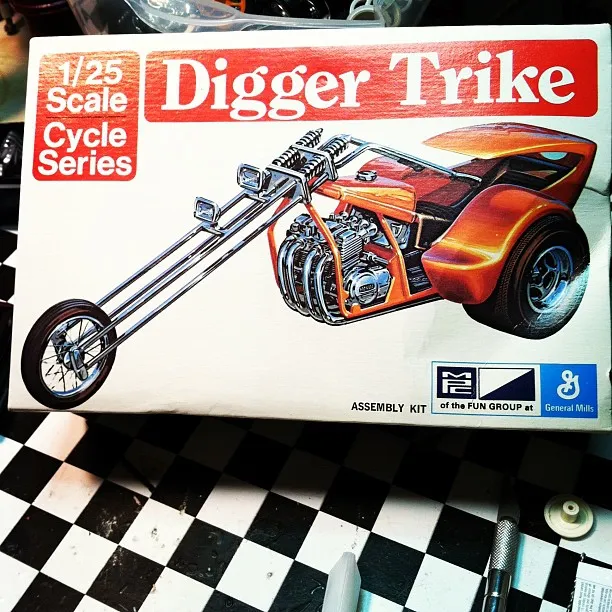
A village hall bring-and-buy is one of the quiet pleasures of the UK hobby calendar. You arrive with a boot full of unbuilt kits you will never get to, a few part-started projects you have fallen out of love with and a carrier bag of surplus paints. You leave with a different boot full, a slice of cake and the phone number of someone building the same scale as you. It is not a model show and it is not a shop. It is a community clearance, and it works best when everyone remembers that.
Start With the Hall, Not the Hobby
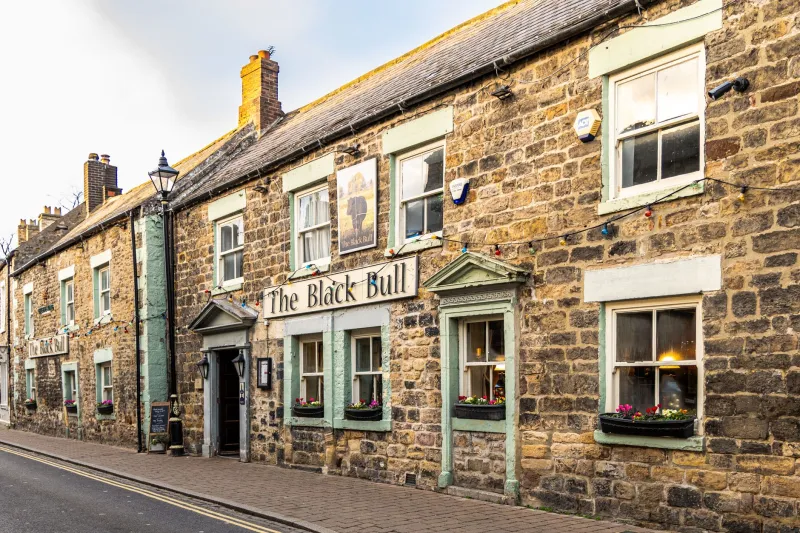
Book the room before you design the flyer. A typical village hall gives you a main space, a kitchen, a tea urn, trestle tables and chairs, plus parking that may or may not resemble a rally stage. Ask about access times, table hire, kitchen use, rubbish disposal and whether the hall has a public liability policy that covers your event. If you are charging table fees and running the thing as a one-off community sale, a short conversation with the hall secretary is worth more than a guess. For anything bigger, or if you are selling on behalf of others, look at event insurance. It is dull, but it is cheaper than a ruined Saturday.
Think about the room layout before you think about kit categories. You want a clear entrance, a wide browsing aisle, a tea station well away from boxes and a table near the door for signs, a float and a roll of price stickers. Check fire exits, and do not block them with boxes of 1/72 armour. If the hall has a no-aerosol rule, respect it. Solvent paints and spray cans can be sold, but keep them sealed, upright and away from the cake.
The Table Plan Is Half the Event
A ring of tables around the edge, with a central island for browsing, usually works better than rows. Sellers can stand behind their own stock, buyers can circulate and nobody has to squeeze past a stack of Tiger tanks to reach the loos. Six-foot trestles are standard. Ask sellers to arrive with their kits boxed or bagged and clearly priced. A box of loose sprues with no label is not a bargain; it is a jigsaw puzzle with no picture.
Colour-coded stickers are cheap and surprisingly effective. Green for unbuilt and complete, amber for part-started, red for spares or repairs. Add a small card on each table: please ask before opening boxes. Most sellers are happy for you to look inside, but they want to be asked. Keep the tea urn at the far end. Nobody wants a splash of milk on a limited-run decal sheet.
Price It to Move, Label It to Sell
Fair pricing is not the same as charity. A sensible starting point for an unbuilt kit is somewhere between a third and half of the current retail price, depending on condition, rarity and whether the box has been opened. Part-started projects should be priced lower and labelled honestly: missing part, painted bits, instructions included or not. Paints are usually a pound or two each, but check that they have not separated into a science experiment. Anything leaking stays at home.
Encourage bundle deals. A sign saying offers welcome after 2pm gives sellers a chance to hold their price early and clear the table late. Sellers should keep their own money and their own sales sheet if they want one. The organiser's job is the room, the tea and the signs, not the haggling. Make that clear before the doors open.
Insurance, Safety and the Boring Bits
Ask the hall for its public liability details and confirm what your event is covered for. If you are unsure, a short-term event policy is not a bad idea. Keep walkways clear, stack boxes safely and do not let anyone plug in a faulty extension lead. Cash should be kept on the person, not in a biscuit tin by the door. If children are browsing, they need a grown-up with them, especially around sharp tools and solvent paints.
Aerosols and solvent-based products need a bit of thought. Sell them sealed and unused where possible, and do not let anyone test-spray indoors. If the hall has a kitchen, keep food and drink separate from anything marked hazardous. At the end of the day, unsold rubbish goes home with the seller. The hall bin is not a free disposal service for empty sprues.
Promotion That Fills the Car Park
Start promoting about six weeks out. Local model clubs, Facebook groups, WhatsApp chats, library noticeboards and independent hobby shops are your friends. Put the date, time, entry fee and table fee on everything. A simple poster with a photo of a crowded table and the words unbuilt kits, part-started projects and surplus paints will do more than a paragraph of mission statement. Ask sellers to pre-register with a rough idea of what they are bringing so you can balance the room. Nobody wants six tables of the same starter kit.
The Unwritten Etiquette
Do not haggle at ten past ten. Ask before opening a box, and put it back the way you found it. Disclose missing parts before someone asks. Do not abandon unsold kits on the table and vanish. Queue for tea like a civilised person. If you reserve something, come back within the hour. And resist the urge to tell a seller their kit is worthless; they know what they paid for it, and the tea urn can hear you.
A village hall bring-and-buy will not make anyone rich. Done well, it clears shelf space, finds good homes for half-finished projects and puts a few new ideas on your bench. That is a decent Saturday in anyone's book.