The Aberdeen Test: Posting Painted Miniatures Through a British Winter
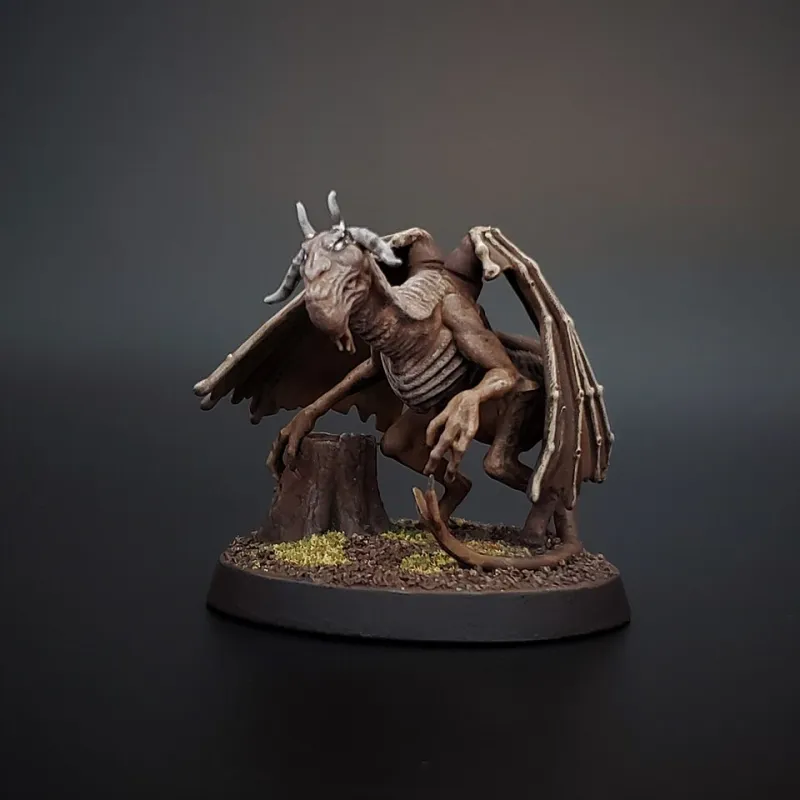
Photo: Dystopiamatt, CC BY-SA 4.0, via Wikimedia Commons
There is a particular sound a painted miniature makes when it has not travelled well. It is not a smash. It is a small, dry click, followed by the rattle of a broken ankle somewhere inside a parcel you have already paid to send. If you have posted figures before, you know it. If you have not, this is the article that tries to stop you hearing it.
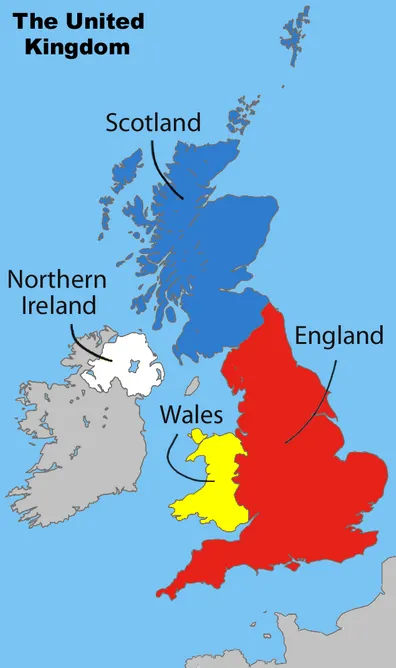
So let us treat this as a winter stress test. Pick one finished figure — not your favourite, but one you would be annoyed to lose — and pack it as though it is going to Aberdeen in December. Then drop the parcel at home, open it on camera, and see what the post has in store. It is part checklist, part gentle panic, and a lot cheaper than learning the hard way.
Start with the base, not the figure
Most miniature damage begins at the feet. A figure rattling loose in a box will lever itself against whatever is nearby, and ankles, weapons and cloak tips take the strain. Before you reach for bubble wrap, deal with the base.
A small blob of blu-tack under the base can hold a figure steady in a foam tray, but it is not a substitute for proper packing. Better still, cut a base-shaped recess into foam so the figure sits down into the parcel rather than perching on top of it. If the miniature is metal or has a thin resin ankle, pin it to its base before painting if you can — and if it is already finished, consider a temporary card cradle around the legs.
Do not wrap bubble wrap directly around a painted figure. It looks protective. In practice it presses detail into the paint, and any grit trapped underneath becomes a tiny chisel. Wrap the base, cradle the model, and keep direct contact away from the paintwork.
Foam choices that actually work
You do not need a bespoke figure case for every parcel. You do need foam that holds shape under compression. Pick-and-pluck foam is convenient and widely available, but cut it slightly deeper than the figure so the lid closes with a gentle press, not a crush. Egg-crate foam is fine for bulk transport, though it offers less side support. Plastazote or closed-cell polyethylene foam is the dependable option if you are posting often: firmer, cleaner to cut, and less likely to shed crumbs onto a varnished surface.
Avoid loose polystyrene beads. They migrate, they generate static, and they leave a figure rolling around like a pea in a whistle. If you are reusing a parcel, shake out every bit of old packing first. A single stray chunk of foam can mark a cape.
The cold, damp problem
A British winter parcel is not just a box. It is a sequence of cold vans, damp depots, unheated sorting centres and a final doorstep that may be wet. Two things on your bench care about that: varnish and glue.
Spray varnish needs time to cure properly, not just dry to the touch. Posting a figure the same afternoon you varnished it is asking for a soft finish to pick up foam texture or fingerprint marks. Give it at least forty-eight hours in a dry room, and longer if the weather is grim. Matte varnish can bloom in cold, damp conditions — a cloudy white haze that is much harder to fix than it is to avoid. If you are posting in November or December, varnish early and let it sit.
Glue is the quiet risk. Cyanoacrylate — superglue — becomes brittle in low temperatures, and a joint that feels solid on the bench can snap after a cold night in a van. Two-part epoxy is more forgiving, but only if it has fully cured. Do not rush a repair just because the parcel is booked. And tuck a small silica gel packet into the box, away from direct contact with the figure, to take the edge off damp air.
Drop-testing at home, with your phone running
Once the figure is packed, seal the parcel as you would for posting. Then drop it. Not from a great height — waist height onto a hard floor is enough to reveal whether the contents shift. Give it a gentle shake and listen. If something moves, open it and start again.
This is where filming helps. Set your phone to record, drop the parcel, then open it on camera. You will see exactly where the figure has settled and whether the foam is doing its job. It feels a bit ridiculous, talking to a parcel in your kitchen, but it is a far better use of five minutes than a courier claim form.
Royal Mail, couriers and the insurance question
For UK posting, Royal Mail Special Delivery gives you tracking and a signature, and it is a sensible choice for a single valuable figure. Signed For is cheaper but slower, and it does not guarantee careful handling. Parcelforce and the usual courier networks are fine too, especially for larger boxes, but check the drop-off point and the collection hours before you promise anyone a deadline.
Insurance is the part people skip. Declare the value honestly, keep your proof of posting, and photograph the packed parcel before it leaves your hands. If a figure is damaged, those photos are your evidence. Read the courier's terms on fragile and painted items — some exclude them unless packed to their specification, and "painted miniature" can be a awkward phrase in a claims form. Pack to survive the sorting machine, and you will rarely need to find out.
The bench checklist
- Cure varnish for at least 48 hours before packing.
- Pin or cradle thin ankles and weapons.
- Cut foam so the figure sits in a recess, not on a slab.
- Keep bubble wrap off painted surfaces.
- Add a silica gel packet for damp winter transit.
- Double-box if the parcel is heavy or travelling far.
- Photograph the packed box and keep proof of posting.
- Drop-test at waist height, then open and inspect on camera.
The Aberdeen test is not really about Aberdeen. It is about admitting that a parcel will be tipped, stacked, chilled and shaken by people who do not know what is inside. Pack for that version of the journey, not the gentle one you imagine. If the figure survives your kitchen floor on a Tuesday night, it has a decent chance on the road.