Bench in a Bag: Model Making for Train Journeys and Hotel Desks
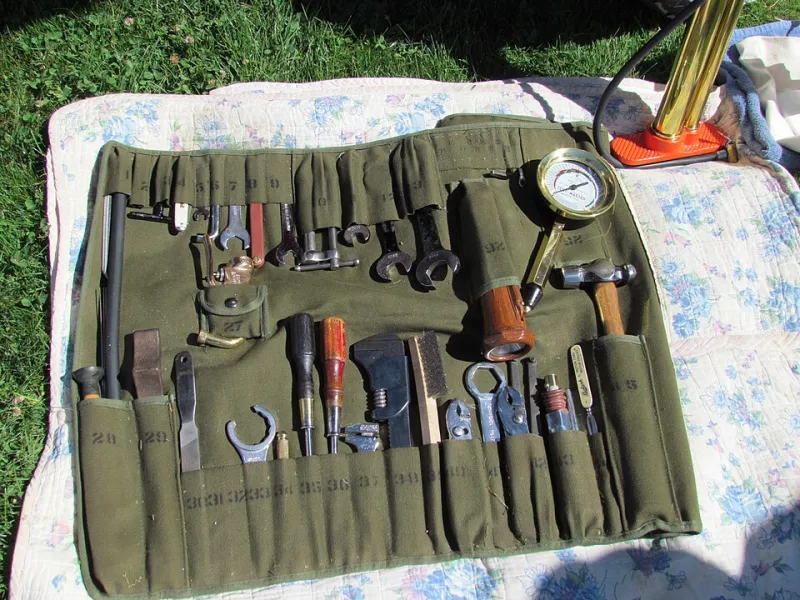
Photo: David Berry from Rohnert Park CA, USA, CC BY 2.0, via Wikimedia Commons
Taking a model kit away from the bench sounds like a recipe for lost parts and funny looks. Done sensibly, it is one of the best ways to use the odd hours that UK travel hands you: a delayed train, a quiet hotel evening, a rainy away-day. The trick is to choose a project that fits the tray table and to pack like someone who has to carry the mess home.
Pick a project that belongs in a bag
Small scale, few parts, no solvents. A 1/72 figure, a 1/144 mini, a set of tabletop scatter pieces, a snap-fit kit or a simple conversion are all good. Leave the 1/35 tank with individual track links at home. Clean parts and remove gates at your own bench before you travel if you can. That way the away kit is about assembly and dry-fitting, not clouds of plastic dust in a hotel room. If you build terrain, choose pieces that are already based and primed, or pack them for assembly only.
The packing list
- A small cutting mat or A5 board with a lip
- Side cutters in a tin or with a blade guard
- Hobby knife with the blade retracted, in a hard case
- Sanding sticks and a few emery boards
- Fine tweezers
- Blue tack or low-tack tape
- Small parts bags and a shallow tray
- Portable battery LED lamp with a neutral white setting
- Kitchen roll and a sealable bag for rubbish
- Instructions on your phone or printed out
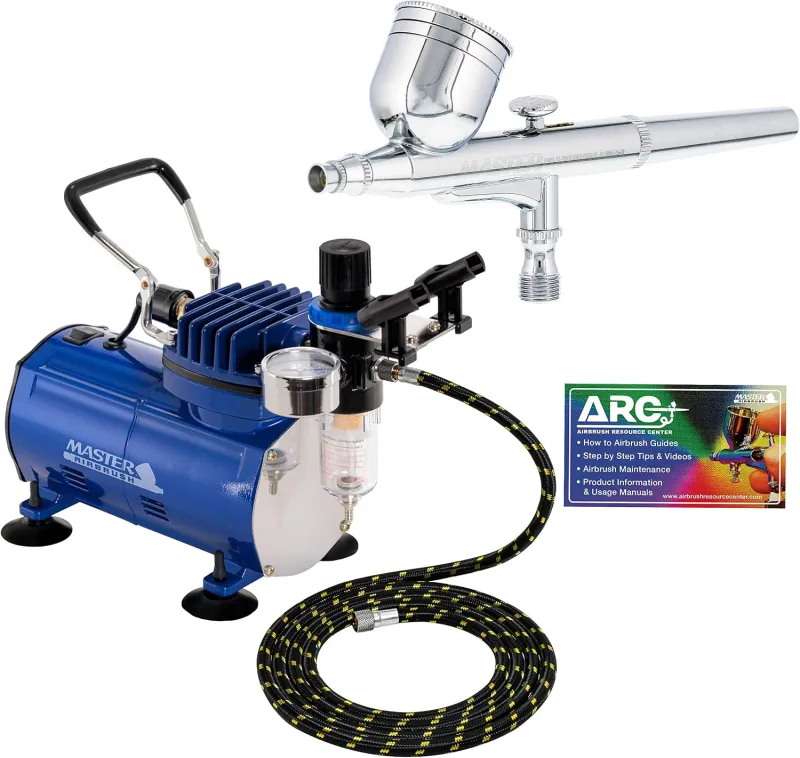
If you must glue, choose a small bottle of plastic cement with a tight cap and use it sparingly. Check operator and travel rules before you pack anything sharp, and never leave a blade loose in a bag. Better still, dry-fit on the move and glue at home. Leave aerosols, airbrushes and resin dust at the bench.
Train etiquette
Keep it contained. A tray or box with a lip stops parts rolling under seats. Avoid sanding, spraying, strong glues and anything that makes a smell. Keep noise down: no rattling a box of sprues for three hours. Use headphones if you are watching a build video. Do not spread across two seats. If the train is busy, pack it away. A quiet dry-fit is fine; a cloud of plastic dust is not.
Hotel room rules
Treat the desk as a borrowed bench. Cover it with a cloth or the cutting mat. Work over a tray. Never sand resin or use solvent glues in a small room. Open a window if you are painting with water-based acrylics, and keep the palette sealed. Check the room's lighting before you unpack; a portable lamp is worth its weight. Do not leave paint or thinners in the sink. Clean up every night so the room does not look like a workshop.
Light and posture
Hotel desk lamps are often dim and yellow. A small battery LED with a neutral white setting makes a huge difference. Sit square to the desk, put your feet flat and take breaks. A travel cushion behind your back is not glamorous but it helps. If the only table is low, do not hunch for two hours.
Make the spare hours count
Use a twenty-minute rule. In twenty minutes you can clean up a sprue, label parts, dry-fit a sub-assembly, read the instruction step that confused you or plan a paint order. Do not start masking a complex canopy on a train. Save the fiddly work for the bench. A small progress card or note in your phone stops you buying the same paint twice.
The return trip
Pack finished parts in a hard box with kitchen roll, not a loose bag. Do not carry wet paint or a damp palette. Check that blades are covered and glue lids are tight. Leave the hotel desk cleaner than you found it. On the train, keep the kit in your bag until you have room to open it.
A sample away-day kit
One small kit, side cutters in a tin, knife in a hard case, tweezers, sanding sticks, a tray, a cloth, a portable lamp, a few parts bags and the instructions. That is enough for a weekend of quiet progress.
The carry-on bench is not about recreating your workshop. It is about keeping your hand in and your head in the build when you are away from home. Pack small, work clean, and save the smelly stuff for the shed.