The Parcel on the Step: A Cold-Weather Paint Delivery Check for UK Hobbyists
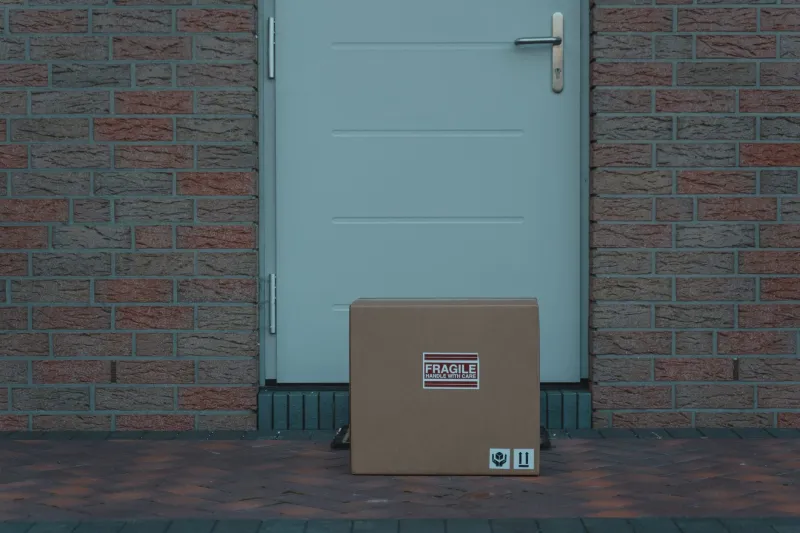
There is a particular November feeling that every UK hobbyist knows: the tracking app says your paint is three stops away, the sky is the colour of grey primer, and the doorstep is already damp. You open the door to a parcel that looks fine from one angle and slightly worrying from another. Inside, there are bottles of acrylic, a primer, a varnish and perhaps a little treat you forgot you ordered. The question is not whether online paint shopping is a good idea — it clearly is — but how to receive the stuff without turning your first airbrush session into a rescue operation.
Paint deliveries are mostly boring in the best way. Retailers pack well, couriers do their job, and the bottles arrive ready to use. But late-autumn conditions in the UK stack the odds against cardboard: cold vans, unheated sorting hubs, condensation, rain blowing under a porch, and the sort of damp that makes a box go soft before you have even picked it up. Water-based acrylics are especially worth watching. They do not enjoy freezing, and a bottle that has been through a cold night may look fine until you open the cap.
What we ordered, and what turned up
Through late October and early November 2026 we placed a handful of ordinary orders with UK hobby retailers: a couple of acrylic sets, a bottle of airbrush primer, a flow improver, a satin varnish and some spare mixing cups. Nothing exotic. Most arrived in perfect condition, packed in paper and bubble wrap. One outer box arrived noticeably damp at the corner, with a soft patch that suggested it had spent time somewhere wet. Another had a faint rattle that turned out to be a loose pipette cap, not a broken bottle. The paint itself was largely fine, but the exercise was useful because it showed how little you can tell from the outside.
The lesson is not that every parcel is a crisis. It is that the first two minutes matter. A quick check before the box goes into the recycling bin can save a lot of politely worded emails later.
Check the parcel before it disappears
Start outside the front door, or at least in good light. Look at the box for wet patches, crushed corners, dark stains, tape that has lifted, or a smell of solvent. Give it a gentle listen — not a shake. If a bottle has cracked, the box may feel heavier on one side or show a coloured stain at the seam. If the courier asks for a signature and the damage is obvious, it is reasonable to note ‘packaging damaged’ on the handheld device or ask them to wait while you check. You do not need to perform a full unboxing ceremony on the pavement, but you should not sign as if everything is perfect when the box is clearly wet.
Once inside, photograph the parcel before opening it. All four sides, the label, and any damp or crushed area. Then open it on a wipe-clean surface, not the carpet. Keep the packaging until you have checked every bottle. This feels fussy until the one time a cap has popped and you need to show the retailer exactly how it arrived.
Freeze damage is not always dramatic
A frozen acrylic does not necessarily announce itself with a cracked bottle and a puddle. Sometimes the bottle bulges slightly. Sometimes the cap is pushed up or the seal is weeping. Sometimes the paint looks separated, grainy or oddly thick after it has come back to room temperature. A primer may show a thick sediment that will not stir back in. A varnish may look cloudy or stringy. These are all clues, not automatic proof, because some acrylics separate naturally in storage.
The sensible approach is to let a cold parcel sit indoors for a day before judging it. Do not put bottles on a radiator, in hot water or near a heater. Let them acclimatise slowly, then shake, stir and test a small amount on scrap plastic or card. If it sprays evenly when thinned correctly, you are probably fine. If it is full of lumps, smells wrong, or stays separated after a good stir, contact the retailer before you run it through an airbrush. Never force a frozen rattle can to work, either; aerosols and cold weather are not a friendly combination.
The photo set that makes a claim easy
If something is wrong, gather evidence in one go. Photograph the outer box and its label, the damaged corner or wet patch, the inner packaging, the bottle itself, the cap and neck, and any batch or lot number. Put the order confirmation or packing slip in the frame. A short video showing a leak or a broken seal can help too. Then email the retailer within a day or two, keeping the tone factual: what you ordered, what arrived, and what you have photographed. Most UK hobby retailers are straightforward about this sort of thing, and clear evidence makes it easier for them to help.
Store new paint like it has to last
Once the bottles are checked, put them somewhere stable indoors. That means a cupboard or shelf in the house, not the shed, garage, loft or conservatory. Keep them upright, caps clean and tight, out of direct sun and away from radiators. A lidded plastic box with a sheet of kitchen towel is a good home for new arrivals; it contains drips and keeps dust off the caps. If your bench is in a cold garage, bring only the bottles you need indoors the night before a session. Acrylics and primers behave much better when they have had time to reach room temperature.
A quick receiving routine — photograph, open, check, acclimatise, store — takes less time than cleaning a blocked airbrush. It also means the next parcel can be a small pleasure rather than a test of your patience.